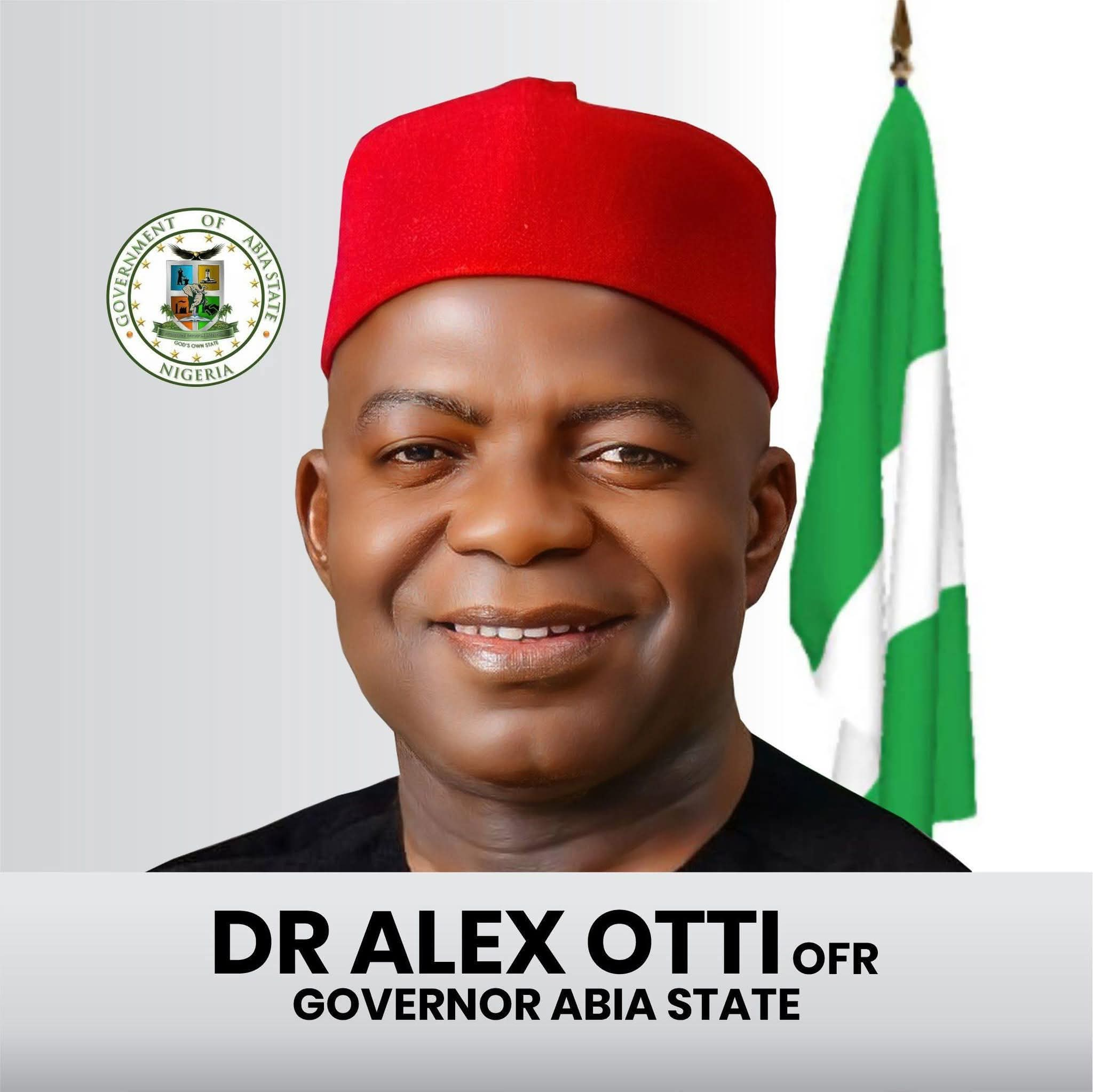
Abia State Governor, Alex Otti, has urged Nigerians, to take active interest in politics and deliberately participate in shaping leadership, stressing that governance cannot be left to chance, if the nation’s leadership challenge is to be addressed.
Governor Otti made the call on Saturday while delivering a keynote address at a religious Conference in Abuja, noting that the reluctance of many citizens to engage in politics on the grounds that it is “dirty” has contributed significantly to the nation’s leadership challenges.
He said the church has a critical role to play in shaping Nigeria’s leadership direction, adding that history has consistently shown its influence in societal transformation.
The governor said, “Our Jesus started his ministry by proclaiming the kingdom of God as good news to the poor, challenged religious and political elite, and reversed social hierarchies and inequity.
“While many people view politics as dirty, it remains a powerful tool for shaping leadership outcomes and influencing the direction of society.
“Those who desire good governance must be willing to participate actively in the political process rather than remain passive, because it is the political process that produces leaders who formulate programmes and policies that affect individuals and ultimately determine the socio-economic progress or backwardness of society.”

Governor Otti maintained that transformation rests on three key pillars: a radical shift in societal values, strong and accountable leadership, and functional institutions capable of sustaining development.
“Societal transformation is therefore not merely about economic growth or infrastructure development. It involves radical shift in values because no society rises above the values it tolerates and rewards; profound change in leadership as the quality of leadership of any society determines its direction; and dramatic modification of institutions since strong institutions are the key pillars for sustaining positive change,” he said.
He also called on religious institutions to encourage political participation among their members, insisting that Christian values such as honesty and accountability should guide leadership selection and governance outcomes.
While arguing that it is the conduct of individuals within the political system that determines its character, governor Otti maintained that prayer and spiritual interventions alone cannot resolve governance challenges without active citizen participation in the political process, warning against political apathy and its consequences on society.