The Federal Government has announced plans to scrap the Junior Secondary School Common Entrance Examination and introduce a Learner Identification Number (LIN) to track pupils from primary school through their academic journey.
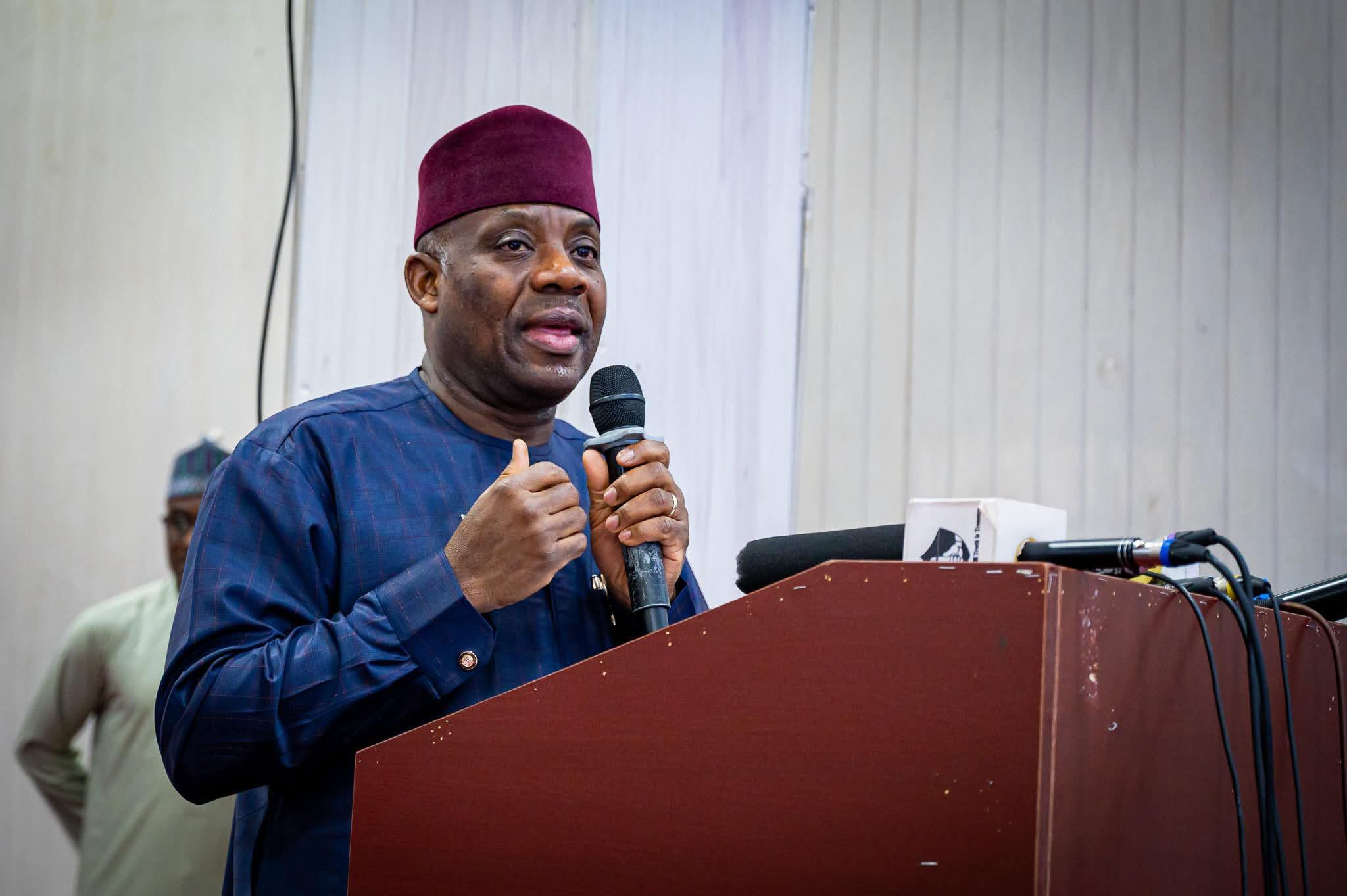
The Minister of Education, Tunji Alausa, who disclosed this on Saturday in Lagos, explained that the proposed reforms are aimed at improving access to education and ensuring better tracking of pupils across the country.
Alausa noted that the common entrance examination would be phased out and replaced with a more comprehensive evaluation system that would help address gaps in the transition from primary to secondary education, particularly the large number of pupils, who fail to progress to the next level.
Providing data to support the reform, the Minister said millions of pupils registered in public primary schools often discontinue their education at the secondary level.
He noted that the situation points to a major access problem, stressing the need for state governments to build more schools.
“It is obvious that we cannot say our private schools accommodate all of them. The issue is simply lack of access and we are working on that. There is need to build more schools and I have met the Nigerian Governors’ Forum over that. State governments need to build more schools to accommodate more pupils and students.
“To also follow up on our pupils and students, we are introducing the Learner Identification Number right from primary school level for our children. It will be unique to each child and they will have the number no matter where they started schooling or later transferred to,” he explained.
Alausa further disclosed that efforts are ongoing to revive the school feeding programme to boost enrolment in public schools, adding that the initiative may be moved to the Federal Ministry of Education for improved monitoring.
The proposed reforms form part of broader efforts by the government to strengthen the education sector, improve retention rates, and ensure that more Nigerian children complete basic education.